
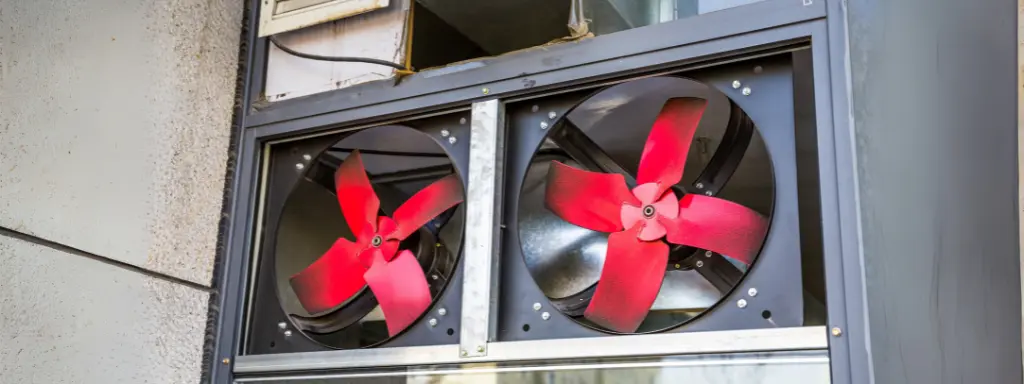
One of the smartest upgrades for your home is installing an exhaust fan in your attic. It helps air circulate, protects your roof, lessens the stress on your AC, and keeps your home’s temperature steady. Many people are curious about this before continuing: How much will you spend to get an attic fan installed?
In this article, you’ll find the most recent 2025 costs, learn about what can change the price, and get tips on choosing between shutter and cabinet exhaust fans.
Why Install an Attic Exhaust Fan?
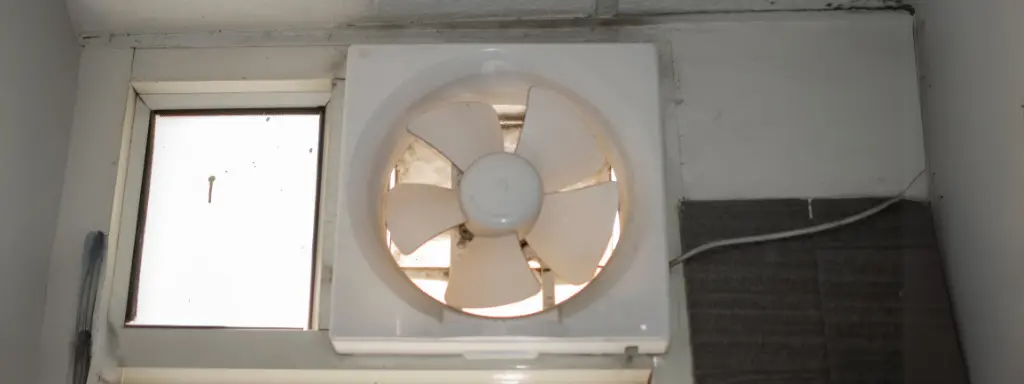
When it’s hot in the summer, attics may reach 130°F (55°C) or more, especially if the roof is dark. Heat stays trapped in the attic and moves into the rooms, making your cooling system run longer. The fan removes hot, stale attic air while drawing in cooler outside air via the vents. An exhaust fan keeps attic moisture under control in winter; this shields the insulation and stops mold from growing.
Average Cost to Install an Attic Fan (Updated 2025)
The price for putting an exhaust fan in an attic in 2025 usually falls between $350 and $1,200. This covers the fan, installation by a professional, wiring, roof or wall cutting if required, and permits.
Here’s how the costs generally break down:
Expense | Cost Range (USD) |
Fan Unit | $100 – $600 |
Labor & Installation | $150 – $500 |
Electrical Wiring | $100 – $200 |
Roof/Wall Modifications | $50 – $150 |
Permits (if required) | $25 – $75 |
Large or high-performance fans, plus built-in thermostats or humidity sensors, may raise the price. Solar-powered fans may require more upfront investment, but they will help you save later.
Making the Right Choice in Exhaust Fans
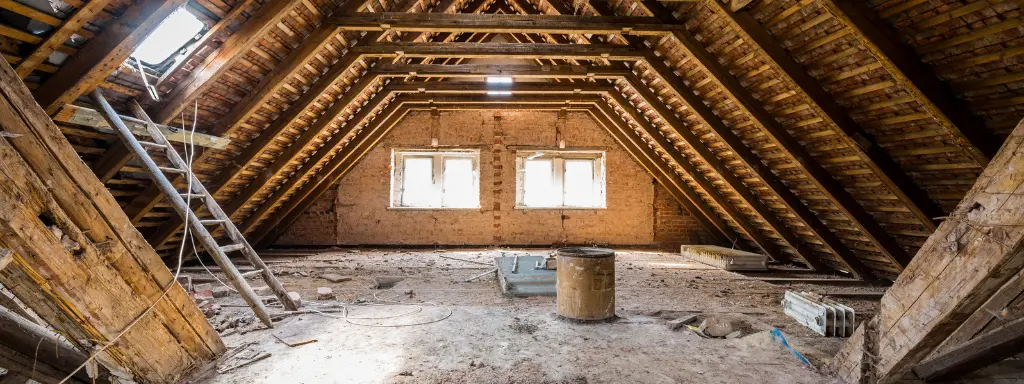
When picking an attic fan, you’ll have a big choice between shutter exhaust fans and cabinet exhaust fans.
Shutter Exhaust Fans
You mount these to walls or gables. They open automatically when the fan starts and shut again when it stops. You can use them at home or in small commercial locations; they deliver plenty of airflow and remain quiet.
The 576 CFM Shutter Exhaust Fan is a leading choice for its compact size and strong performance in most attic areas.
Take a look at more shutter exhaust fan models in our collection.
A shutter fan costs between $100 and $300, depending on the size and power you select.
Cabinet Exhaust Fans
They are put inside a steel casing and are usually chosen for big buildings or industrial sites. They also fit well in bigger attics at home or where reducing sound is important. The enclosure keeps both noise and vibration to a minimum.
Look at the updated choices in our Cabinet Exhaust Fan lineup.
Cabinet exhaust fans generally cost more, starting at $250 and exceeding $600.
Additional Installation Considerations
Roof vs. Gable Mount:
It often costs more to install a roof-mounted fan because changes to the roof are needed. However, installing a gable-mounted fan is easier if your house already has gable vents.
Wiring Requirements:
If attic wiring isn’t available, you will likely need an electrician’s help, which will increase the cost by $100–$200.
Smart Features:
Many new fans have features like thermostats, humidistats, or smartphone controls. Adding these features makes things easier to use, but they raise the base price by $50 to $150.
Solar Attic Fans:
These fans get their energy from rooftop solar panels, costing $400 to $1,200 or more. Solar attic fans get energy from the sun, which may lower your utility bills over time, but they aren’t always as effective as wired fans.
DIY vs. Professional Installation
If you’re competent in electrical installation and do the job yourself, you can save a few hundred dollars. However, if the installation isn’t done correctly, you might have leaks, electrical problems, or inadequate airflow. Many people choose a professional for installation to get it done correctly and maintain the warranty.
Because many towns need electrical permits for attic fan wiring, using a professional is often a good idea.
Long-Term Benefits
Putting money into an attic exhaust fan benefits your comfort and your budget. With this fan, attics can be up to 30–50°F cooler, so your AC runs less. During the hottest summer months, you can save 10–15% on what you spend cooling your home. After several years, you’ll see a meaningful return on your investment, which is even better in hot or humid places.
Good attic ventilation in winter keeps ice dams and condensation from building up, so your roof lasts longer.
Final Thoughts
So, how much does it cost to install an attic fan? Most homeowners usually pay between $350 and $1,200, though several things affect the actual cost. These factors are the kind of fan, the difficulty of installing it, and whether you want smart controls or solar power. The appropriate exhaust fan arrangement raises comfort, minimizes heat in your attic, and keeps energy expenses down all year.